Product Description
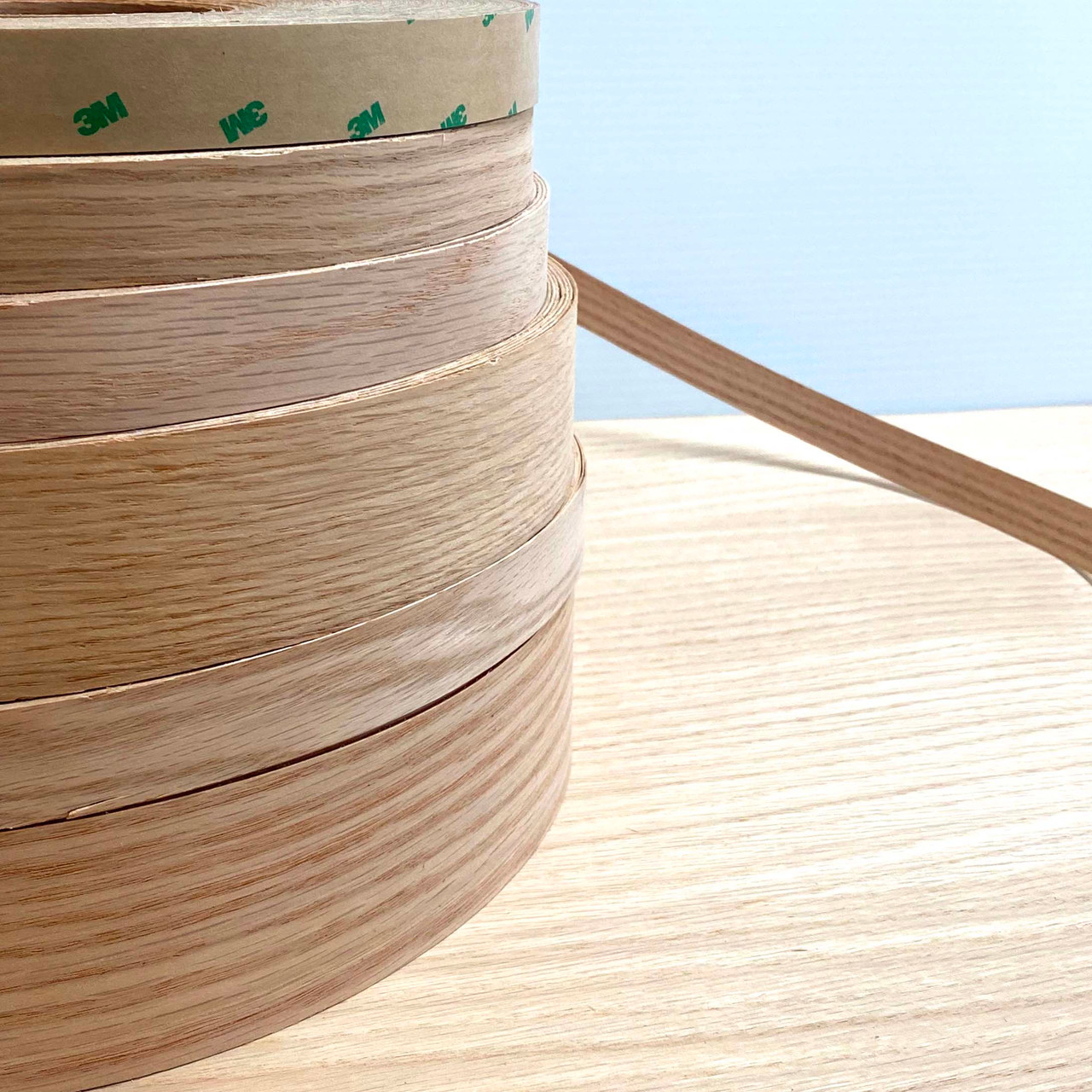
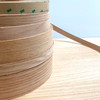
Real red oak veneer edgebanding—classic, widely available, and prized for its straight, prominent grain and warm, reddish-brown tones. Red oak is a go-to choice for traditional and contemporary millwork because it machines well, accepts stains consistently, and provides a durable, familiar look for cabinets, furniture, doors, shelving, and architectural trim.
Specifications & Ordering
- Widths: 7/8", 1", and 2".
- Sold by 25-foot sections or full rolls.
- Full-roll lengths: Hot-melt (EVA) — 250'; Felt/Paper back — 500'.
- Multiple units: We ship the longest continuous piece possible. If you need a specific continuous length, contact us before ordering.
Material Characteristics
- Appearance: Prominent, open-grain pattern with a distinctive medullary ray figure in some boards; color ranges from light to medium reddish-brown and takes stain and finish predictably.
- Durability & Workability: Red oak is moderately dense and durable; it sands, planes, and trims cleanly and is well suited to high-use surfaces.
- Match & Finish: Because red oak is a common species, matching face veneers and solid oak components is typically straightforward. For consistent final color, finish both the edge and the panel face before assembly or apply the same stain/finish to both.
Backer Options & Application Guidance
Felt/Paper Backer (requires contact cement; full roll 500')
- Preparation: Clean and dry the substrate. Lightly roughen very smooth surfaces with 120–180 grit sandpaper to improve adhesion.
- Adhesive: Apply a thin, even coat of contact cement to both the edge and the edgeband. Wait until the cement becomes tacky (usually a few minutes).
- Application: Align and press the edgebanding onto the edge, working from one end to the other. Smooth with a roller or firm block to remove bubbles and ensure full contact.
- Trimming & Finish: Trim flush with a sharp utility knife, block plane, or edge trimmer. Sand with 220–320 grit and apply stain/finish as needed.
Hot-Melt (EVA) Backer (pre-glued; full roll 250')
- Preparation: Ensure edges are clean, straight, and dry. Lightly sand smooth surfaces with 120–180 grit where necessary.
- Application: Use a household iron or dedicated edgebanding iron. Place a cotton cloth over the veneer to protect the face and move the iron in a steady circular or sweeping motion to activate the adhesive—avoid holding in one spot to prevent scorching.
- Bonding & Trimming: Press firmly with a roller or block while the adhesive cools for best contact. Trim and smooth as above, then finish to match adjacent surfaces.
Practical Uses
- Cabinet doors and boxes
- Furniture edges (tables, desks, shelving)
- Architectural millwork and built-ins
- Any project where a durable, cost-effective oak appearance is desired without the expense of solid stock
Finishing & Care
- Staining: Red oak accepts stain well but can show strong grain contrast; consider grain-filler if a very smooth look is desired. Apply stain or finish to both the face and edgeband to minimize noticeable color shifts as the wood ages.
- Sanding: Use 220–320 grit for final smoothing before finish.
- Storage: Store rolls flat at room temperature, away from direct sunlight and extremes of humidity to prevent curling or discoloration.
Why Choose Red Oak Edgebanding Red oak edgebanding offers an economical, attractive match to commonly used oak veneers and solids. Its predictable finish behavior, strong grain character, and broad availability make it a practical choice for commercial and residential projects where a classic oak appearance and reliable performance are required.
Product Videos
Custom Field
Product Reviews

1 Review
-
Red Oak Edgebanding
Item just as described! Great customer service!