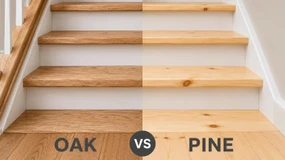
Oak vs Pine Stair Treads: Which Wood is Best for Your Home?
Oak is the top choice for stair treads in most homes thanks to its superior hardness, long-term durability, and classic appearance. Pine offers a more budget-friendly, workable option best suited for low-traffic or decorative stairs, but is much softer and prone to dents. Choosing between these woods depends on your home's foot traffic, design goals, and budget. This comparison covers all the critical differences, including real-world costs, performance data, and expert-backed recommendations—helping you make the best decision for your project. Expect clear answers, a concise comparison table, and guidance rooted in decades of lumber experience.
Key Takeaways
- Oak is the best choice for high-traffic staircases due to its superior durability and resistance to dents and scratches.
- Pine is more affordable and easier to work with, making it ideal for low-traffic, decorative, or secondary stairs.
- The industry standard for stair tread hardness is a minimum Janka rating of 1,000 lbf; both Red and White Oak exceed this, while Pine falls below.
- Upfront costs for Oak stair treads are higher ($20-$30+ per tread) compared to Pine ($10-$20 per tread), but Oak offers greater long-term value.
Durability and Wear Resistance
Oak is the preferred choice for stair treads that must stand up to daily use, high foot traffic, and long-term wear. As a hardwood, oak’s dense cellular structure resists dents, scratches, and compression far more effectively than pine.
For primary staircases—where durability is a must—oak delivers generational longevity and a premium look Viewrail: Janka Ratings.
In contrast, pine is a softwood, significantly lighter and less dense, making it much more prone to denting and surface damage. While pine can splinter or scratch more easily, it’s an affordable, strategic option for secondary staircases, low-traffic zones, or where stairs will be covered by a carpet runner. Pine’s natural knots and rustic charm also make it a favorite for farmhouse or cottage-style interiors.
Ultimately, oak is the industry standard for resilience and return on investment, while pine can be a smart, economical choice for projects where heavy wear isn’t a concern Hunker: Pine vs Oak Stairs.
Aesthetics and Finishes
Hardwoods like oak set the benchmark for stair tread performance. Red Oak, with its warm tone and open grain, is well-loved for traditional styles and easily takes a variety of stains. White Oak offers even greater hardness, a tighter grain, and higher natural moisture resistance—making it popular for modern, lighter finishes Willamette Carpentry: Choosing Wood.
Softwoods like pine are chosen primarily for their affordability and ease of cutting, especially for DIY projects. However, even the hardest pine (Southern Yellow) falls well below oak on the Janka Hardness Scale, making it more susceptible to dents and scratches Viewrail: Janka Ratings.
If visual character and budget are your priorities, pine can deliver. But for stairs that see daily traffic or where a long-lasting, low-maintenance finish is needed, oak remains the best-in-class option.
Janka Hardness Ratings Explained
Architectural standards recommend a minimum Janka hardness of 1,000 lbf for primary stair treads Acadia Stairs: Best Wood Stair Treads. Red Oak rates at 1,290 lbf and White Oak at 1,360 lbf, exceeding this baseline and providing excellent resistance to household wear.
Southern Yellow Pine, at 690 lbf, and Eastern White Pine, at just 420 lbf, fall short of the durability required for heavy use Viewrail: Janka Ratings. While other hardwoods like maple and hickory are even harder than oak, oak’s availability, workability, and cost-effectiveness make it the most widely favored choice. Pine, in contrast, is best used for secondary stairs, decorative applications, or where cost savings outweigh the need for maximum durability.
Oak vs Pine Stair Treads: Quick Comparison
| Attribute | Oak (Red/White) | Pine (Southern Yellow/Eastern White) |
|---|---|---|
| Janka Hardness | 1,290 / 1,360 lbf | 690 / 420 lbf |
| Typical Cost | $20.00 - $30.00+ per tread | $10.00 - $20.00 per tread |
| Durability | Excellent, resists dents | Fair to poor, prone to dents |
| Best For | Primary, high-traffic stairs | Secondary, decorative, or carpeted |
| Appearance | Classic grain, stains well | Rustic, knotty, takes paint well |
| Longevity | Decades, low maintenance | Shorter lifespan, more upkeep |
How to Choose the Right Wood for Your Home
Homeowners should weigh their household’s foot traffic, design style, and budget when selecting stair treads.
For busy families, homes with pets, or stairs that see shoes daily, oak’s superior hardness means far fewer dents, less maintenance, and a finish that lasts for decades Oak Valley Designs: Cost to Install Wood Stair Treads.
If your stairs are in a seldom-used basement, attic, or are to be painted and carpeted, pine can offer significant savings up front, with material costs typically ranging from $10.00 to $20.00 per tread compared to oak at $20.00 to $30.00+ per tread. However, pine’s softness means higher maintenance costs over time if left exposed, and it may need refinishing or replacement more often.
Case in point: the Miss Mustard Seed project achieved a high-end look with painted pine treads and a custom carpet runner for under $300—a smart hybrid approach for style on a budget Miss Mustard Seed: Basement Stairs. For lasting value, oak is the 'buy once, cry once' choice; for flexibility and savings, pine fits the bill.
Total Wood Store’s Approach to Stair Tread Selection
Total Wood Store, backed by more than 80 years of Capitol City Lumber expertise, offers both Red Oak and White Oak stair treads in the following grades and dimensions:
- Oak: 'Select & Better' grade (clear, high-quality faces), milled to an actual 1 inch thick by 11-1/2 inches wide
- Yellow Pine: 'C and Better' grade (embracing natural character and occasional knots), milled to 1 inch by 11-1/4 inches Total Wood Store: Stair Treads
The store recommends oak for primary, high-traffic stairs where performance and return on investment matter most. Pine is offered for rustic projects, paint-grade applications, or secondary stairs. Customers can consult Total Wood Store’s staff for tailored advice, ensuring each project gets the ideal balance of durability, style, and budget.
FAQ: Additional Considerations for Oak vs Pine
Is pine suitable for painted treads? Yes, pine offers a smooth, paint-friendly surface, making it ideal for painted stairs or projects where treads will be covered by a carpet runner. Expect to touch up more often due to pine’s softness Oak Valley Designs: Pine Stair Tread with Return.
Can oak be stained to match different interiors? Absolutely. Oak stains beautifully, with Red Oak providing a traditional look and White Oak excelling with modern, gray, or light finishes Willamette Carpentry: Choosing Wood.
Are both species sustainably sourced? Pine trees grow rapidly and are highly renewable. Oak matures much more slowly but lasts for decades in use, which offsets its slower growth. Always verify your supplier’s sourcing policies for responsible forestry Acadia Stairs: Best Wood Stair Treads.
Conclusion
Oak and pine each bring unique strengths to stair tread projects. Oak’s unmatched durability and timeless style make it the clear winner for high-traffic or long-term investment stairs, with Janka ratings well above the minimum industry standard. Pine appeals for its affordability, ease of installation, and rustic character, especially in low-traffic or decorative settings. When making your choice, consider both the upfront costs and the lifetime value—oak is the best choice for daily use, while pine offers flexibility and savings for specific situations. Ready to choose? Explore Total Wood Store’s selection of premium oak and pine stair treads online, or reach out to our expert team for personalized guidance.